A Comprehensive Overview to Selecting the Right Heat Transfer Systems for Your Requirements
Choosing the suitable Heat transfer system is necessary for functional effectiveness. Different systems deal with various demands, influenced by elements such as temperature level array and liquid type. Comprehending the principles behind Heat transfer, such as conduction, radiation, and convection, is critical. Additionally, assessing energy resources and maintenance practices can influence long-term efficiency. A closer examination of these considerations reveals exactly how to tailor a system to particular requirements. What should one prioritize in this complicated decision-making procedure?
Understanding Heat Transfer: Trick Principles and Concepts
Although Heat transfer might appear like a simple concept, it includes a series of principles that are fundamental for reliable system design. Comprehending these concepts is necessary for designers and designers who intend to maximize thermal performance in different applications. Conduction, as an example, entails the transfer of Heat through strong products, while convection describes the activity of Heat within liquids. Radiation, an additional vital concept, defines exactly how Heat can be moved through electro-magnetic waves. Each of these devices plays a crucial function in determining just how power moves within a system. By thoroughly understanding these principles, experts can make enlightened decisions, ensuring that Heat transfer systems operate efficiently and meet the certain needs of their applications
Kinds Of Heat Transfer Equipments: A Summary
Understanding the principles of Heat transfer lays the foundation for exploring the various kinds of Heat transfer systems available. Heat transfer systems can be categorized largely right into 3 types: convection, conduction, and radiation. Conduction involves Heat transfer through strong materials, relying on straight contact between bits. Convection, on the other hand, takes place in liquids (fluids and gases) where the motion of the liquid itself assists in Heat transfer. Radiation includes the transfer of Heat via electro-magnetic waves and does not require a medium, permitting it to take place in a vacuum cleaner. Each sort of system has unique attributes and applications, making it vital for people and organizations to thoroughly examine their specific requirements when choosing one of the most appropriate Heat transfer solution.
Applications of Heat Transfer Equipments in Different Industries
Heat transfer systems play a necessary function across different sectors, affecting effectiveness and item top quality. In commercial manufacturing procedures, they facilitate accurate temperature level control, while in food and beverage handling, they assure security and conservation. Additionally, cooling and heating and climate control systems depend heavily on effective Heat transfer to preserve comfy settings.
Industrial Manufacturing Processes

Many industrial production processes depend greatly on efficient Heat transfer systems to make best use of performance and enhance item high quality. In industries such as metalworking, Heat exchangers play a crucial duty in keeping ideal temperature levels during welding, spreading, and forging. These systems ensure consistent Heat circulation, which is vital for attaining wanted product buildings. Similarly, in the chemical production industry, Heat transfer systems assist in specific temperature control during responses, influencing yield and safety and security. In fabric manufacturing, reliable Heat monitoring is vital for dyeing and completing procedures, affecting color consistency and textile high quality. By picking proper Heat transfer technologies, producers can enhance power efficiency and lower functional prices, inevitably bring about a much more competitive and lasting production atmosphere.
Food and Drink Handling
Reliable Heat transfer systems are just as important in the food and drink processing sector, where preserving ideal temperature levels is essential for food security and quality. These systems play a necessary duty in procedures such as cooking, sanitation, and pasteurization, guaranteeing that items are safe for consumption and preserve their nutritional value. Heat exchangers, for circumstances, efficiently transfer Heat in between fluids, maximizing power use while decreasing temperature changes. In addition, refrigeration systems are essential for extending and protecting subject to spoiling things service life. The choice of Heat transfer innovation straight influences functional effectiveness and item honesty, making it necessary for food and drink manufacturers to choose the ideal systems customized to their specific handling demands. This mindful choice ultimately adds to customer complete satisfaction and food security.
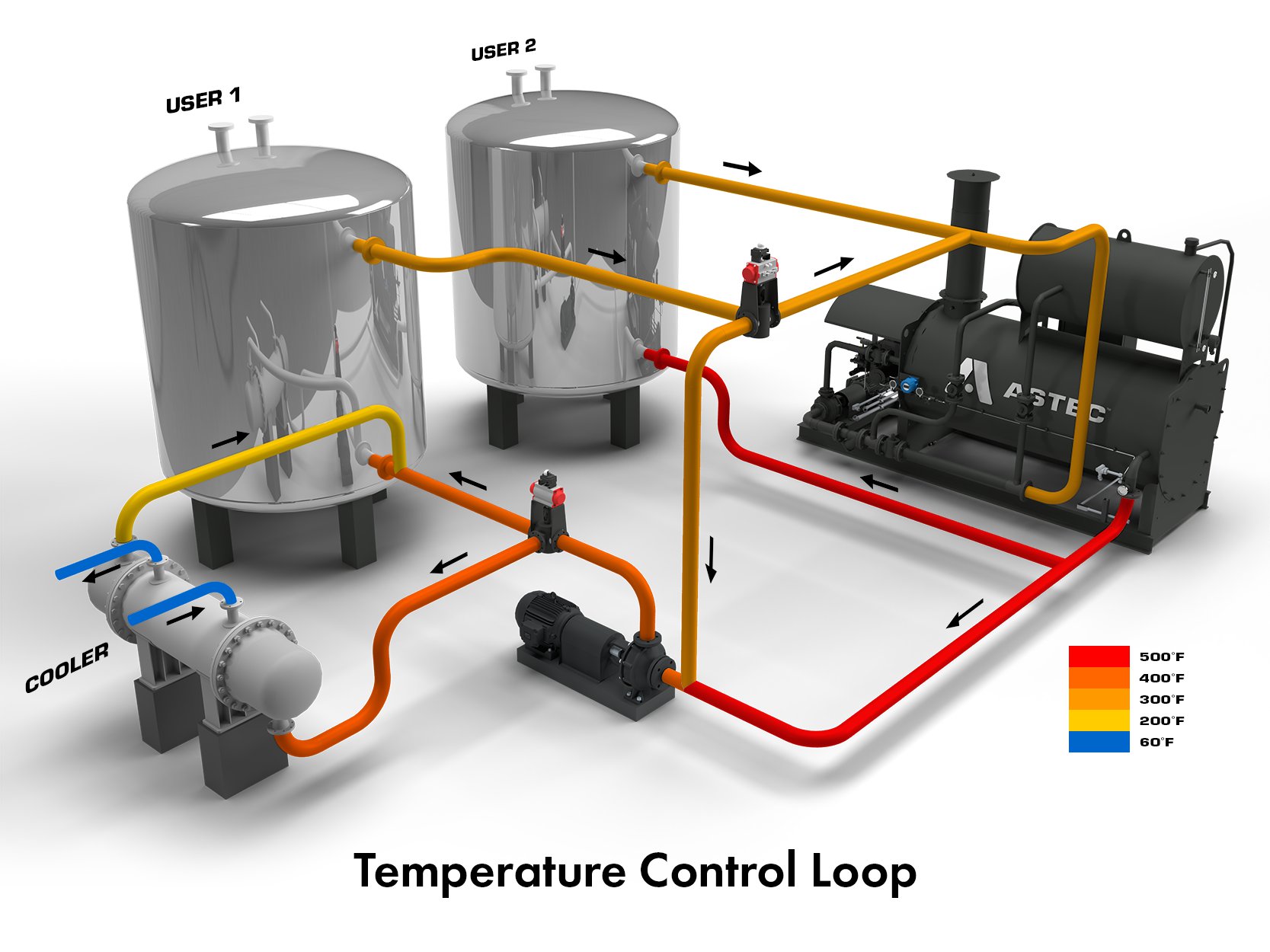
Heating And Cooling and Environment Control
While numerous sectors depend on Heat transfer systems for effectiveness, COOLING AND HEATING (Home Heating, Air Flow, and A/c) plays a necessary role in keeping indoor climate control across numerous settings. These systems use Heat transfer principles to manage temperature level, air, and moisture high quality, ensuring comfort and security in household, commercial, and commercial atmospheres. Properly developed cooling and heating systems boost energy effectiveness, lower functional check out here costs, and reduce ecological impact. In commercial buildings, for example, reliable environment control adds to worker efficiency and consumer complete satisfaction. In commercial applications, cooling and heating systems aid maintain suitable conditions for devices procedure and product preservation. Choosing the best Heat transfer system is crucial for conference particular climate control demands and accomplishing general system efficiency.
Assessing Energy Sources for Heat Transfer Equipments
In examining energy resources for Heat transfer systems, a comparison of eco-friendly energy options and fossil fuel considerations is necessary. Eco-friendly resources, such as solar and wind, offer sustainable options that can reduce ecological influence. Conversely, nonrenewable fuel sources remain widespread as a result of their well-known infrastructure and power thickness, prompting a careful analysis of both alternatives.
Renewable Resource Options

Fossil Fuel Factors To Consider
Reviewing nonrenewable fuel source factors to consider is crucial for the performance and sustainability of Heat transfer systems. Fossil gas, such as natural gas, oil, and coal, are traditional power sources that provide significant Heat result, making them prominent options for household and industrial applications. However, their ecological effect, including greenhouse gas discharges and source deficiency, elevates issues. When picking a warmth transfer system, it is essential to analyze the schedule, expense, and regulative variables connected with these gas. Additionally, the effectiveness of fossil fuel systems must be considered, as higher performance can reduce some environmental downsides. Ultimately, a balanced approach weighing performance and sustainability can lead decision-makers toward one of the most appropriate Heat transfer option for their details needs.
Aspects to Consider When Selecting a Warm Transfer System
Choosing a suitable Heat transfer system calls for mindful consideration of different factors that can considerably influence performance and performance. One crucial variable is the operating temperature level array, which dictates the materials and layout suitable for the application. Additionally, the type of fluid made use of in the system-- whether gas or fluid-- influences Heat transfer performance and compatibility. The system's dimension and capacity must align with the specific needs of the operation to prevent ineffectiveness. Energy source accessibility is also essential, influencing operating prices and sustainability. The setup environment, check it out including room restraints and ease of access for upkeep, plays a significant role in system option. Ultimately, regulatory conformity and security requirements have to be taken into consideration to guarantee the system fulfills all legal requirements.
Upkeep and Effectiveness Optimization for Heat Transfer Systems
Preserving Heat transfer systems is important for ensuring optimal performance and long life. Regular upkeep tasks, such as cleaning up Heat exchangers and inspecting insulation, aid stop performance losses because of fouling and thermal linking. Furthermore, monitoring system criteria, including stress and temperature, permits for very early discovery of abnormalities, lessening downtime and expensive repairs. Carrying out a preventive maintenance schedule can enhance performance and expand the life expectancy of components. Updating to sophisticated control systems can enhance operational effectiveness by changing to differing problems and loads. By prioritizing maintenance and effectiveness optimization, drivers can achieve reduced energy consumption, reduced operational costs, and enhanced general system integrity, eventually bring about better resource usage and an extra lasting procedure.
Future Fads in Heat Transfer Technologies
As sectors increasingly prioritize sustainability and energy effectiveness, future patterns in Heat transfer modern technologies are readied to undergo substantial improvements. Technologies such as advanced products, consisting of carbon nanotubes and nanofluids, promise improved thermal conductivity and effectiveness. Additionally, the integration of renewable energy sources into Heat transfer systems is getting momentum, advertising green remedies. Smart innovations, including IoT sensors, are expected to revolutionize monitoring and control, making it possible for real-time information analysis for optimized performance. The growth of portable and modular systems will certainly facilitate much easier installment and maintenance, catering to varied applications. These improvements suggest a shift in the direction of even more sustainable, reliable, and adaptable Heat transfer services, straightening with global power goals and environmental requirements.
Often Asked Inquiries
What Are the Environmental Influences of Heat Transfer Systems?
The ecological impacts of Heat transfer systems can consist of greenhouse gas emissions, power consumption, and possible thermal pollution. In addition, inappropriate disposal of ineffectiveness and products can add to resource deficiency and ecosystem interruption.
How Do I Determine the Cost-Effectiveness of a Warmth Transfer System?
To compute the cost-effectiveness of a heat transfer system, one must examine first expenses, functional costs, maintenance requirements, and power performance, comparing these factors versus the expected life-span and efficiency of the system.
Can Heat Transfer Systems Be Utilized in Residential Setups?
Heat transfer systems can undoubtedly be utilized in domestic setups. They give efficient heating and cooling solutions, making homes much more comfy while possibly decreasing power costs. Their adaptability permits for numerous applications in residential environments.
What Security Laws Put On Heat Transfer Systems?
Safety and security policies for Heat transfer systems commonly consist of standards on procedure, setup, and maintenance. Compliance with neighborhood building regulations, producer specifications, and industry standards is important to guarantee efficient and safe system efficiency in different applications.
Exactly How Do Different Materials Affect Heat Transfer Performance?
Transmission, for circumstances, entails the transfer of Heat with strong products, while convection refers to the activity of Heat within fluids. Comprehending the principles of Heat transfer lays the foundation for exploring the different kinds of Heat transfer systems available. Heat exchangers, for instance, successfully move Heat in between fluids, enhancing energy usage while reducing temperature fluctuations. In assessing power resources for Heat transfer systems, a contrast of sustainable power choices and fossil gas factors to consider is essential. Metals, such as copper and light weight aluminum, conduct Heat successfully, whereas insulators like rubber and glass reduce down Heat flow.
Comments on “Unlocking the Potential of DVS Heat Transfer Systems in Cutting-Edge Thermal Management”